Honest food packaging guides — written by a converter, not a marketer.
Every guide here is written by PINHUI's founder Joyce Zhou — 16+ years on the converter side of the flexible packaging industry. Each article includes the trade-offs nobody else writes down: when NOT to spec a given material, where the cost math actually breaks down, and what buyers should ask vendors before signing.
Every guide, newest first.
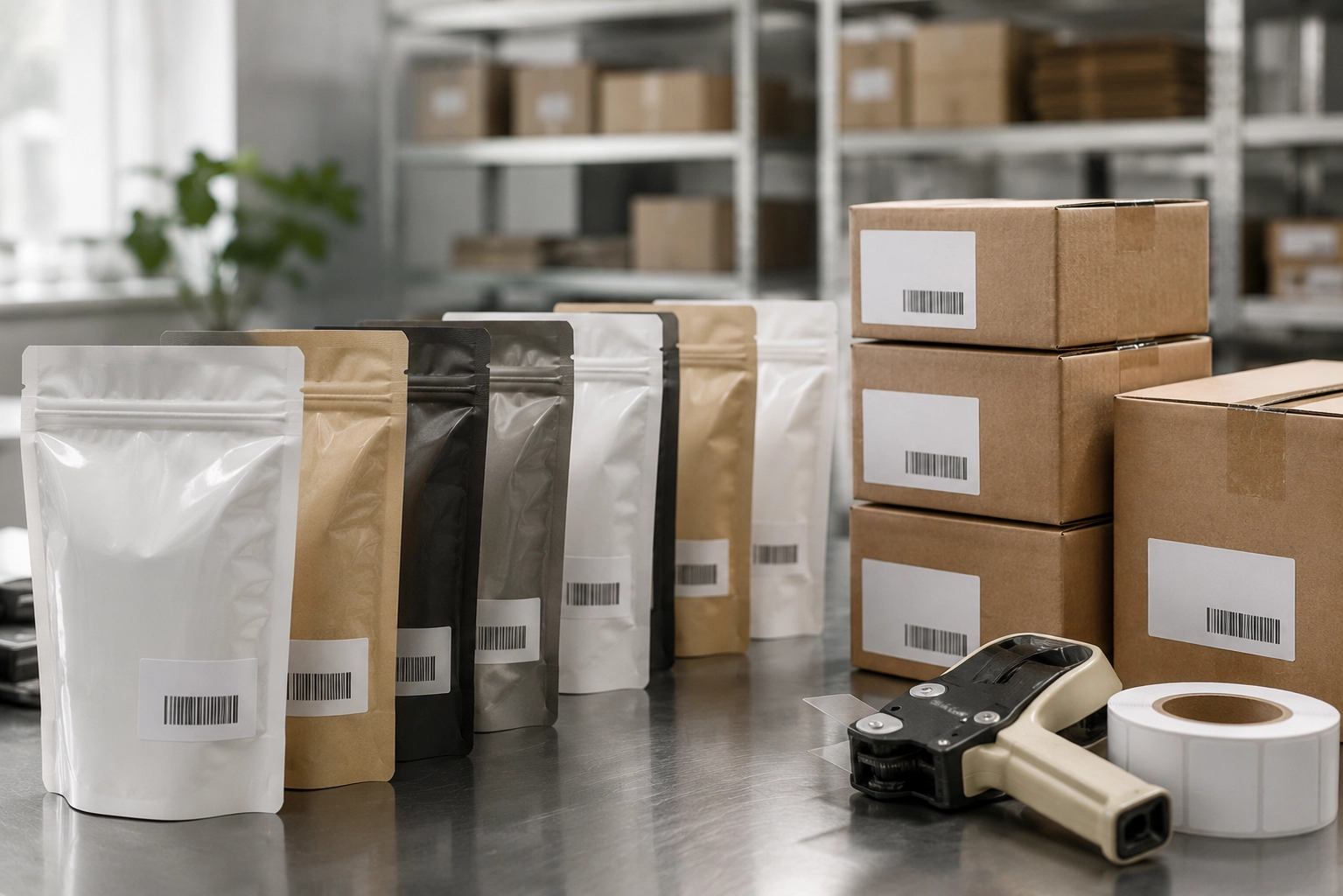
Amazon FBA-Ready Packaging Checklist for Food Brands
Amazon FBA accepts roughly 99% of food packaging without issue — and then there's the 1% that gets rejected at the receiving dock, sent back, or charged unexpected prep fees. The 1% is almost always preventable at the converter stage. This guide walks through what FBA actually requires, how to spec packaging that passes on first inspection, and the cost math of prep options.
READ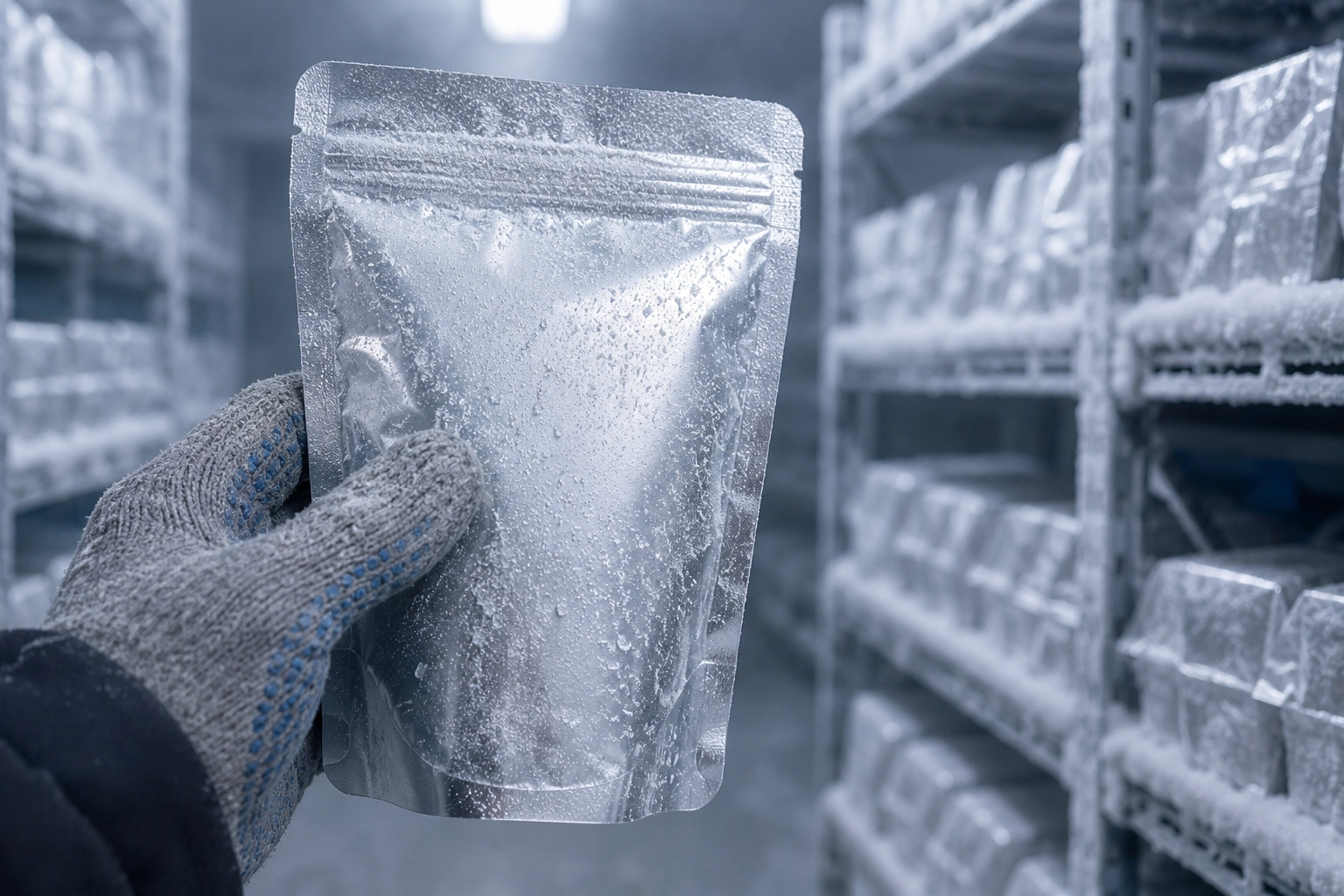
Cold-Chain Food Packaging — Freezer-Grade Laminates and Refrigerated Freight
Most food packaging is spec'd for ambient retail and works fine in that environment. For products that ship frozen (-18°C), refrigerated (2-5°C), or through cold-chain freight, the rules change in subtle but expensive ways. Wrong-spec packaging cracks, peels, fogs, or condensates — and the failure mode is usually visible to consumers. This guide walks through the cold-chain-specific decisions.
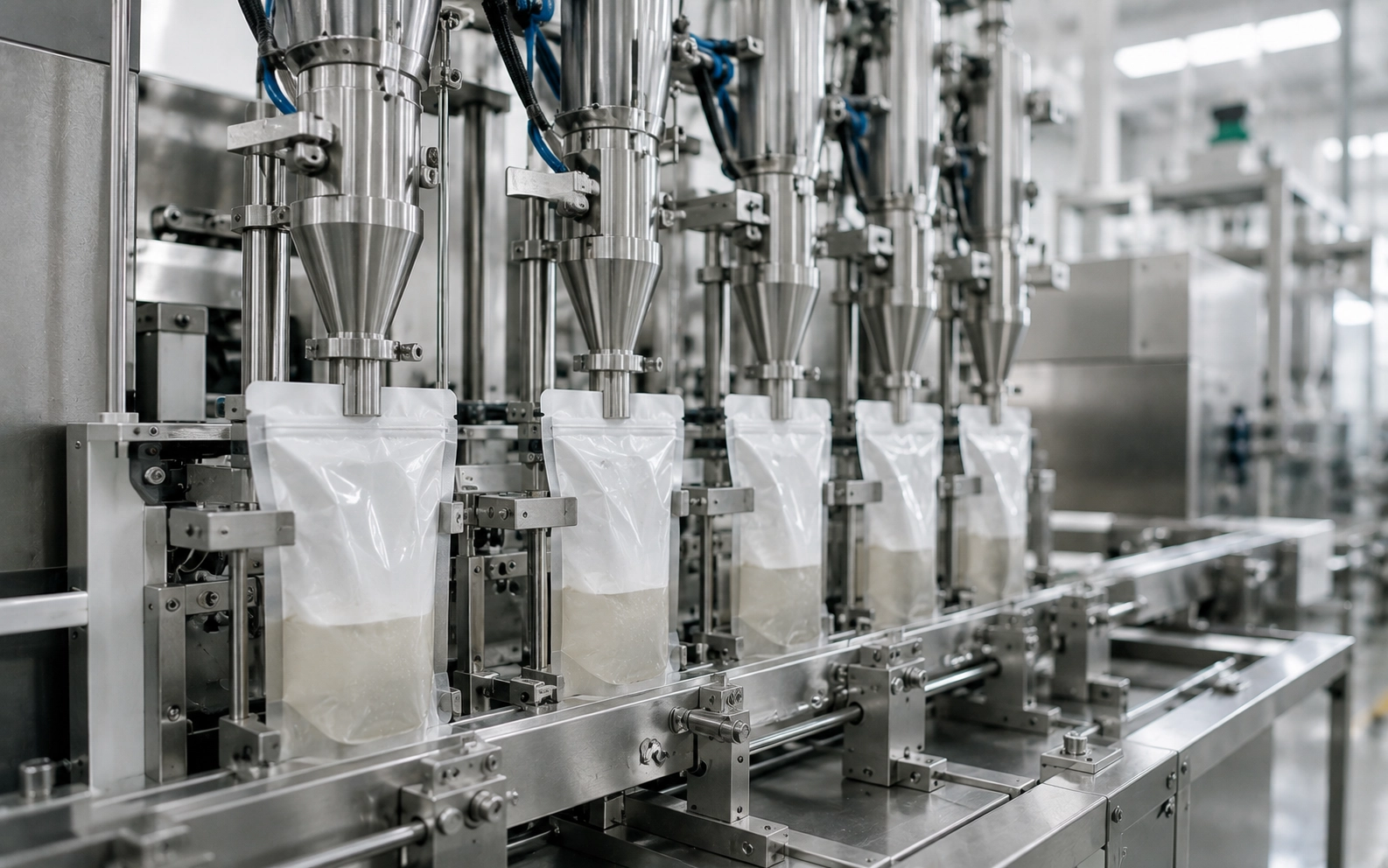
When Your Converter Doesn't Fill — How to Find and Work with a Co-Packer
We make food packaging — pouches, wraps, boxes, labels. We don't put food inside them. That's the co-packer's job, and the converter-vs-co-packer split is one of the most under-discussed operational realities in food startups. This guide explains how the two functions work together, how to find a good co-packer, and how to coordinate the handoff so production timelines stay aligned.
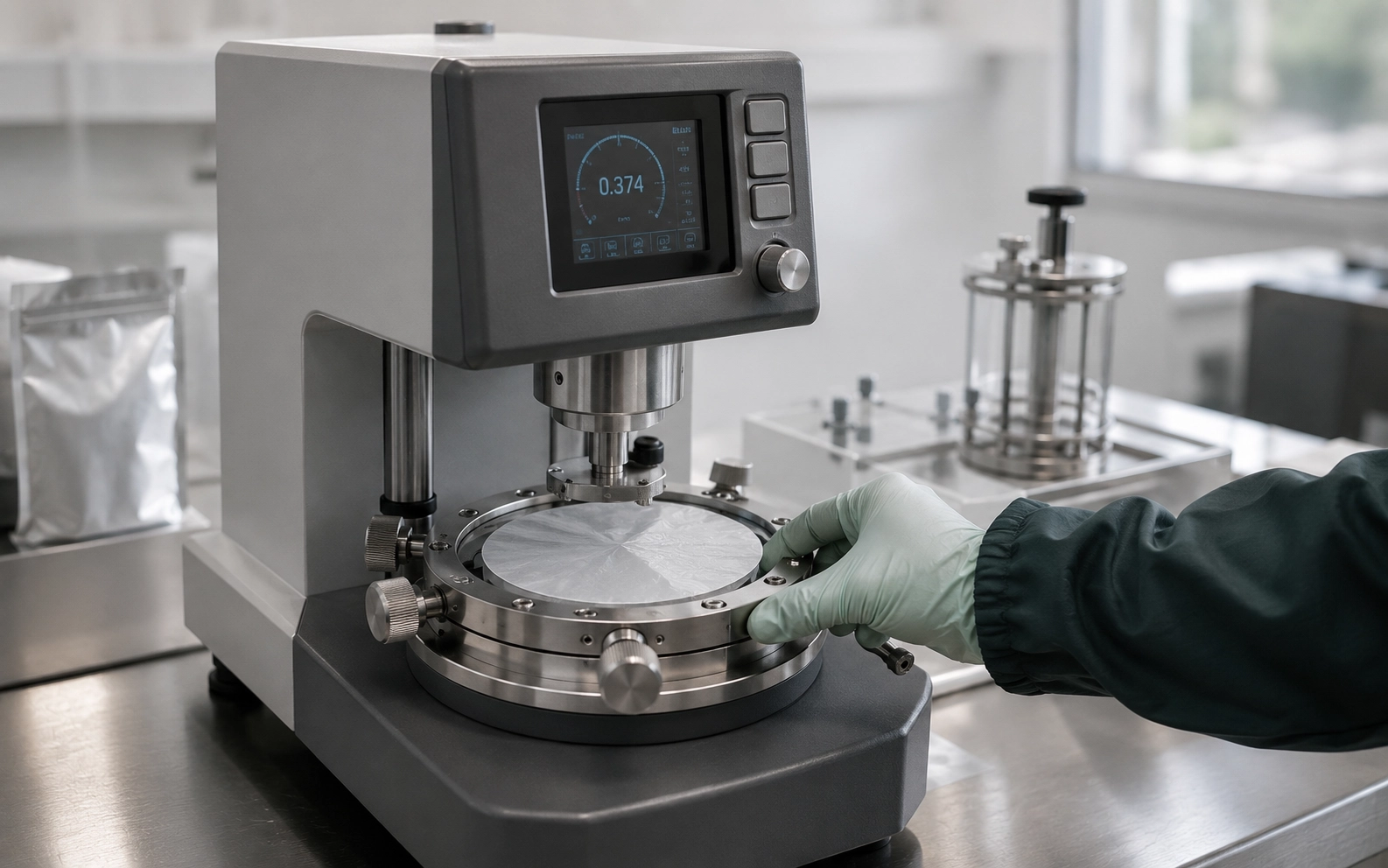
How to Read an OTR / WVTR Test Report Without a PhD in Polymer Chemistry
Most food brand buyers receive lab test reports from their packaging suppliers and never know whether to push back on the numbers. This guide walks line-by-line through a typical OTR and WVTR test report — what the values mean, what test conditions matter, and the four red flags that should make you ask for a retest before signing off on a stack.

Sourcing FSC-Certified Paper Packaging — Mixed, 100%, Recycled, and What Retailers Actually Require
FSC certification has quietly become a default-spec requirement for paper packaging at major retail chains — Whole Foods, Aldi, Lidl, Carrefour, IKEA. Most food brands first encounter the requirement during retailer onboarding, scramble to verify their packaging, and discover their converter doesn't carry the certification. This guide walks through how FSC actually works, what tier to source, and what to verify before signing a PO.
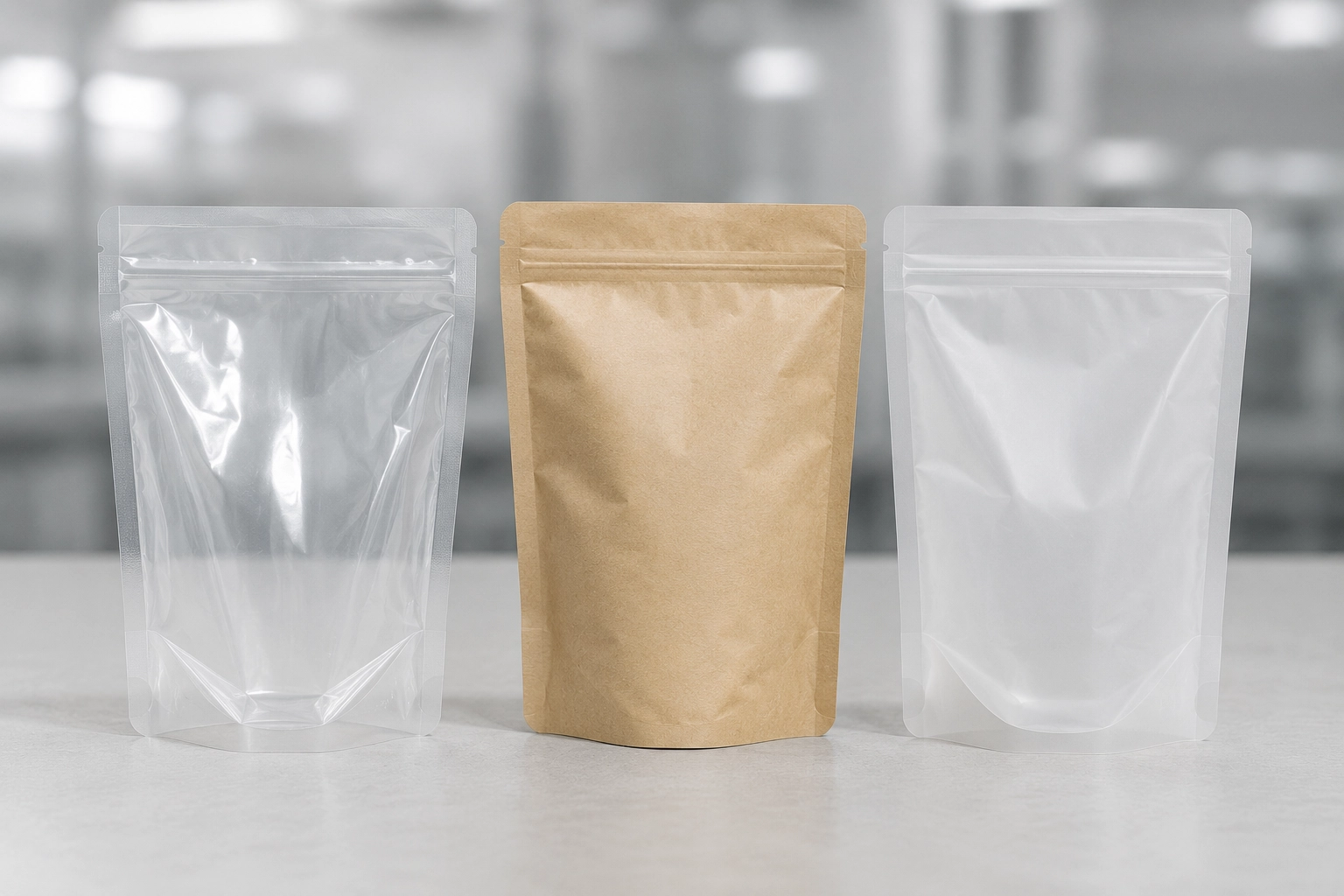
Sustainable Food Packaging — Recyclable vs Compostable vs Reduced (Honest Trade-offs)
Sustainability in food packaging is dominated by three competing claims — recyclable, compostable, and reduced (less material). The honest answer to 'which is best?' depends entirely on where your customers actually live and what waste infrastructure they have access to. This guide walks through the four real paths, the LCA math, and how to make a claim you can actually defend.
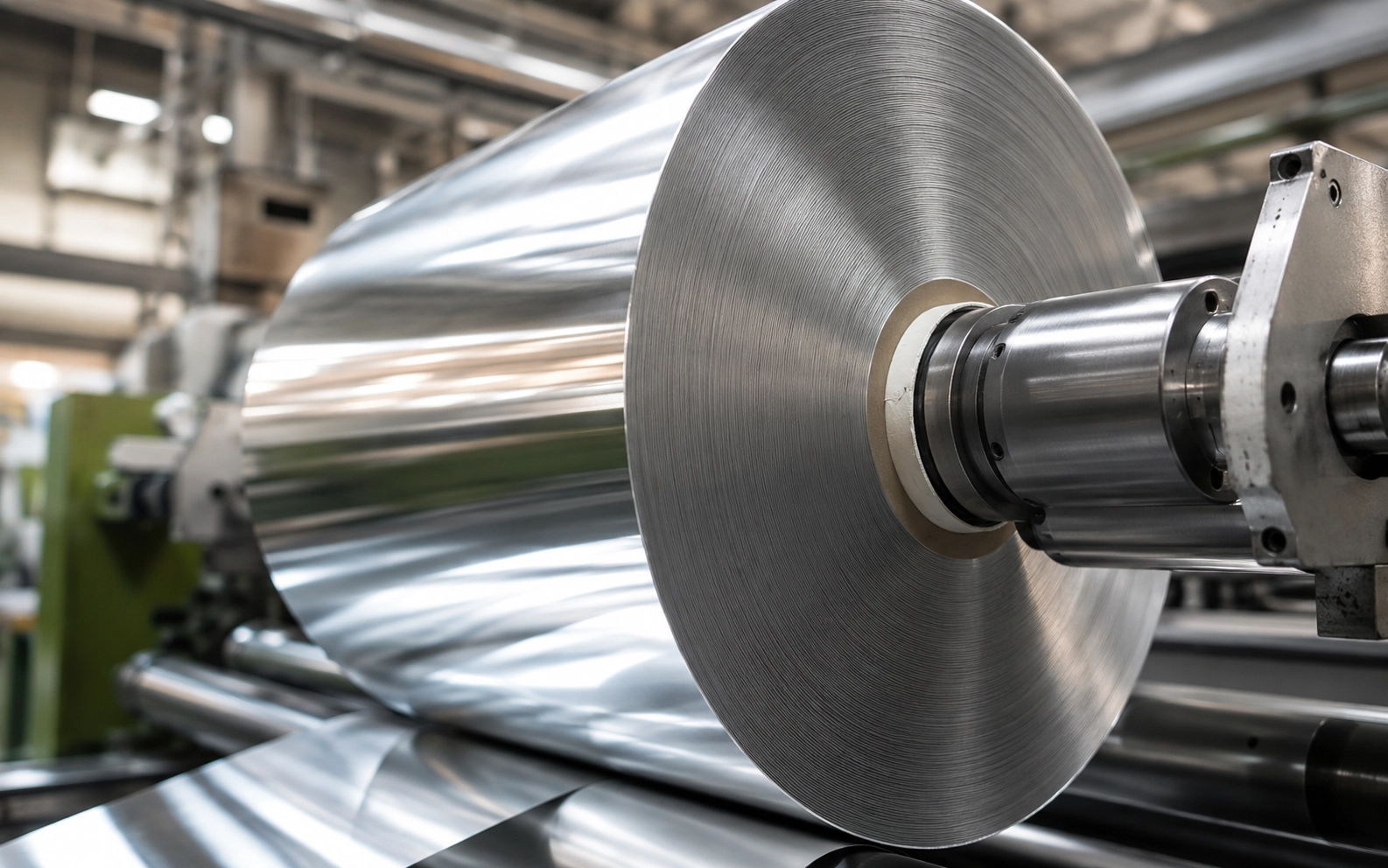
Aluminum Foil — The Only Zero-Permeability Food Packaging Material
Aluminum foil is the only commercially available food packaging material with literally zero gas permeability. For chocolate bars, retort pouches, and any product where 24-month aroma retention is the buying signal, foil is the only material that physically holds up. Here's how to spec it.
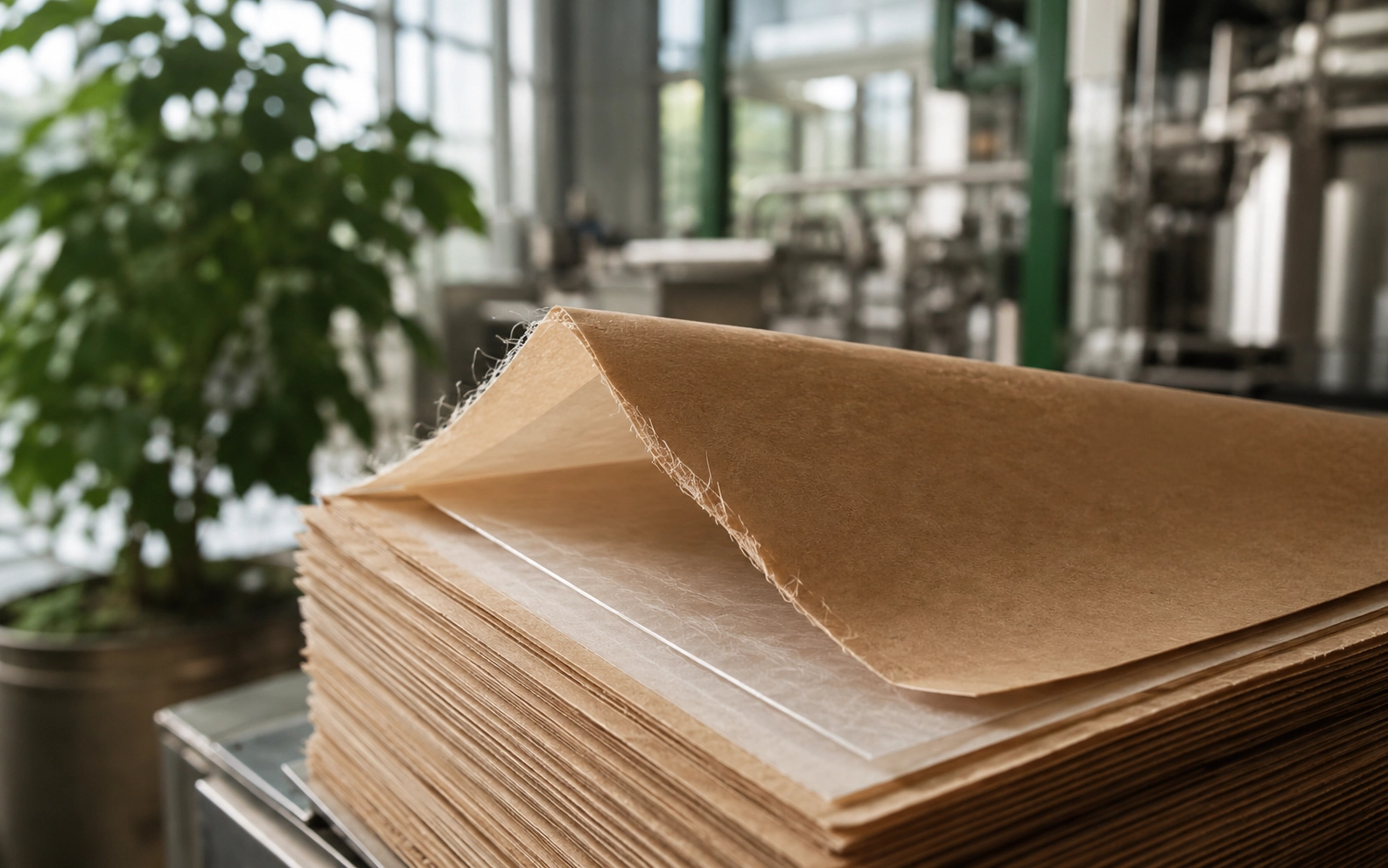
Biodegradable & Compostable Laminates — What Actually Decomposes, and Where
The word 'biodegradable' is unregulated almost everywhere. 'Compostable' has meaning only with a specific certification body and a specific composting facility. Here's how the actual materials behave, which certifications you can rely on, and which packaging claims you should never let on your label.
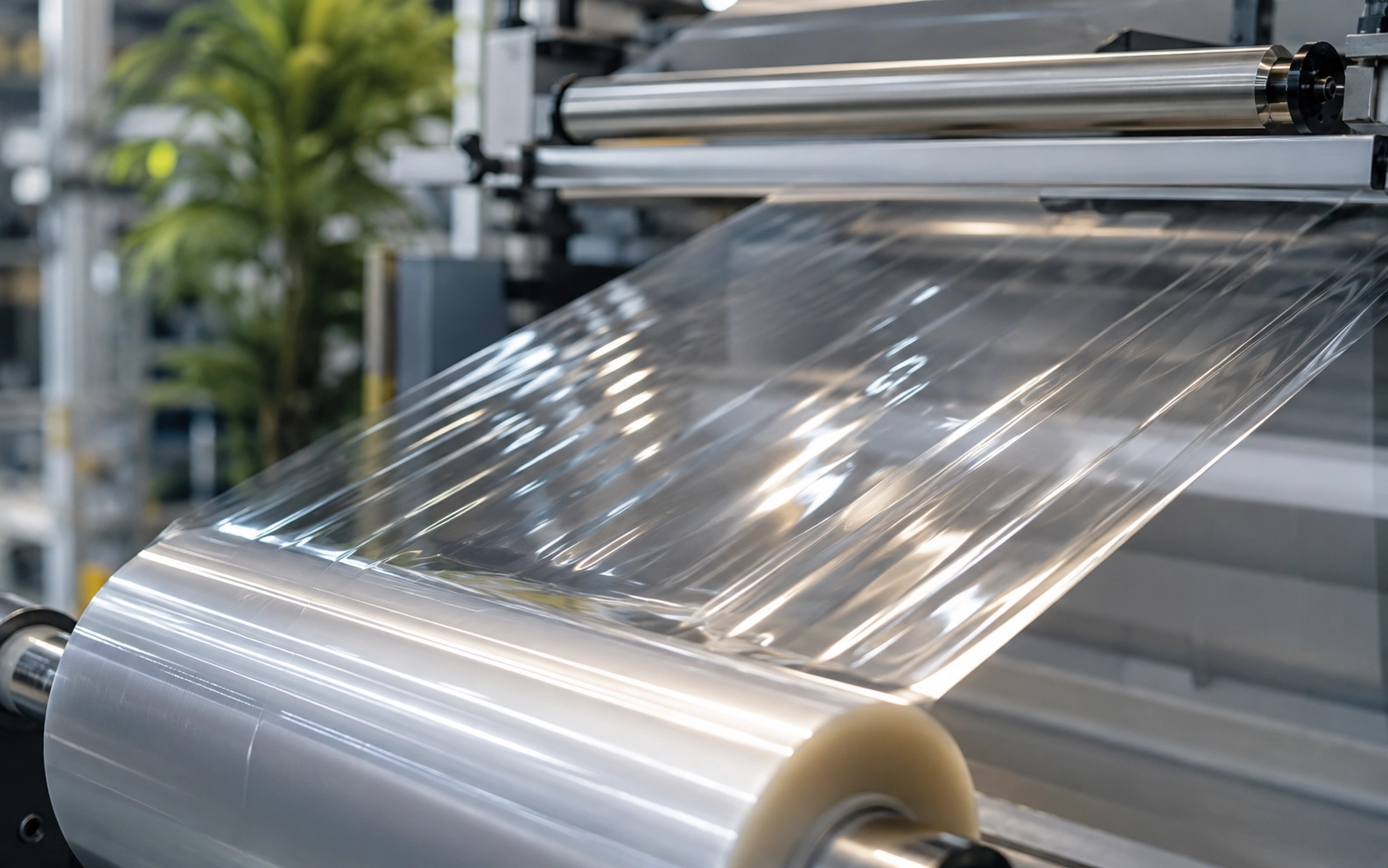
BOPP Film — Biaxially Oriented Polypropylene for Food Packaging
BOPP is the workhorse outer film of flexible food packaging — clear, glossy, dimensionally stable, and three times cheaper than PET. But it cannot heat-seal to itself and its barrier is modest. Here's when to specify it, and when to reach for something else.
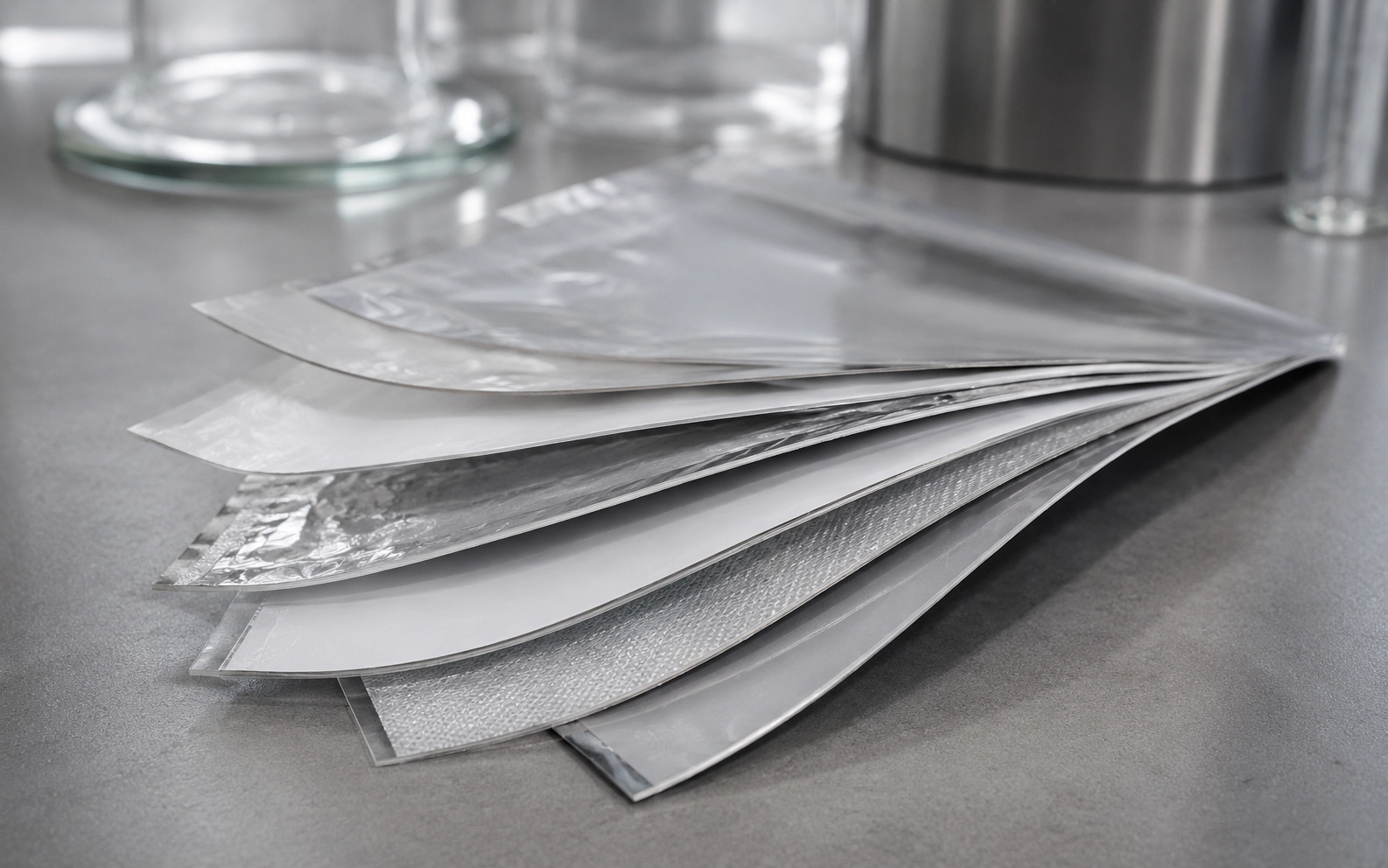
Composite Films — High-Barrier Plastic Alternatives to Aluminum Foil
For decades, aluminum foil was the only material that delivered true high-barrier performance in flexible packaging. That's no longer true. EVOH, nylon, and SiOx-coated films now achieve barrier values close enough to foil for most applications — with significant gains in clarity, microwave-safety, recyclability, and cost. Here's how each works and when to spec which.
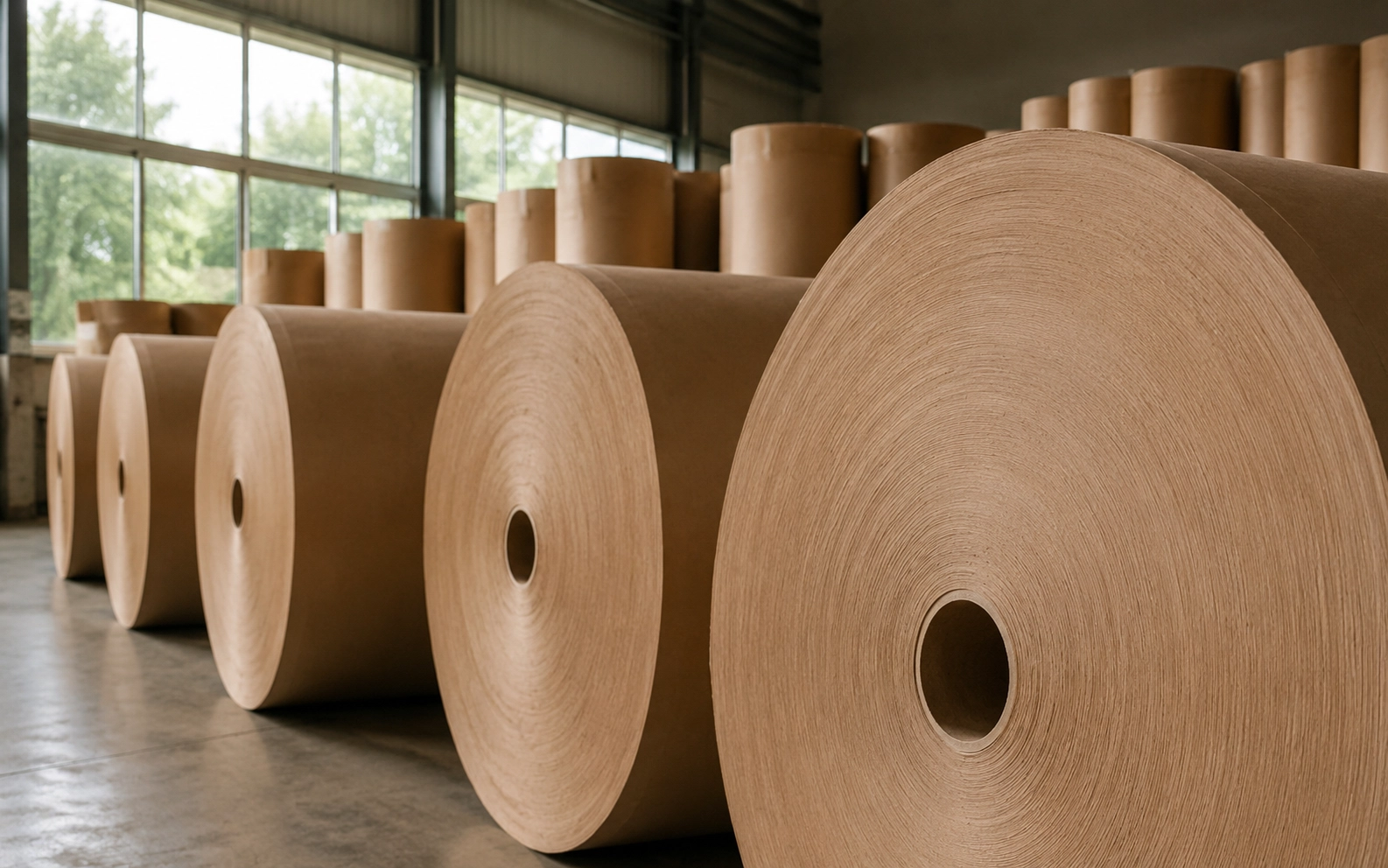
Kraft Paper — The Heritage Substrate Modern Sustainability Wants Back
Kraft paper is the visual cue buyers have come to associate with 'artisanal', 'natural', and 'sustainable' — but raw kraft alone leaks aroma, wicks oil, and absorbs moisture in days. The version that actually ships in food packaging is a hybrid: kraft outer + PLA inner + optional foil. Here's how each variant works.
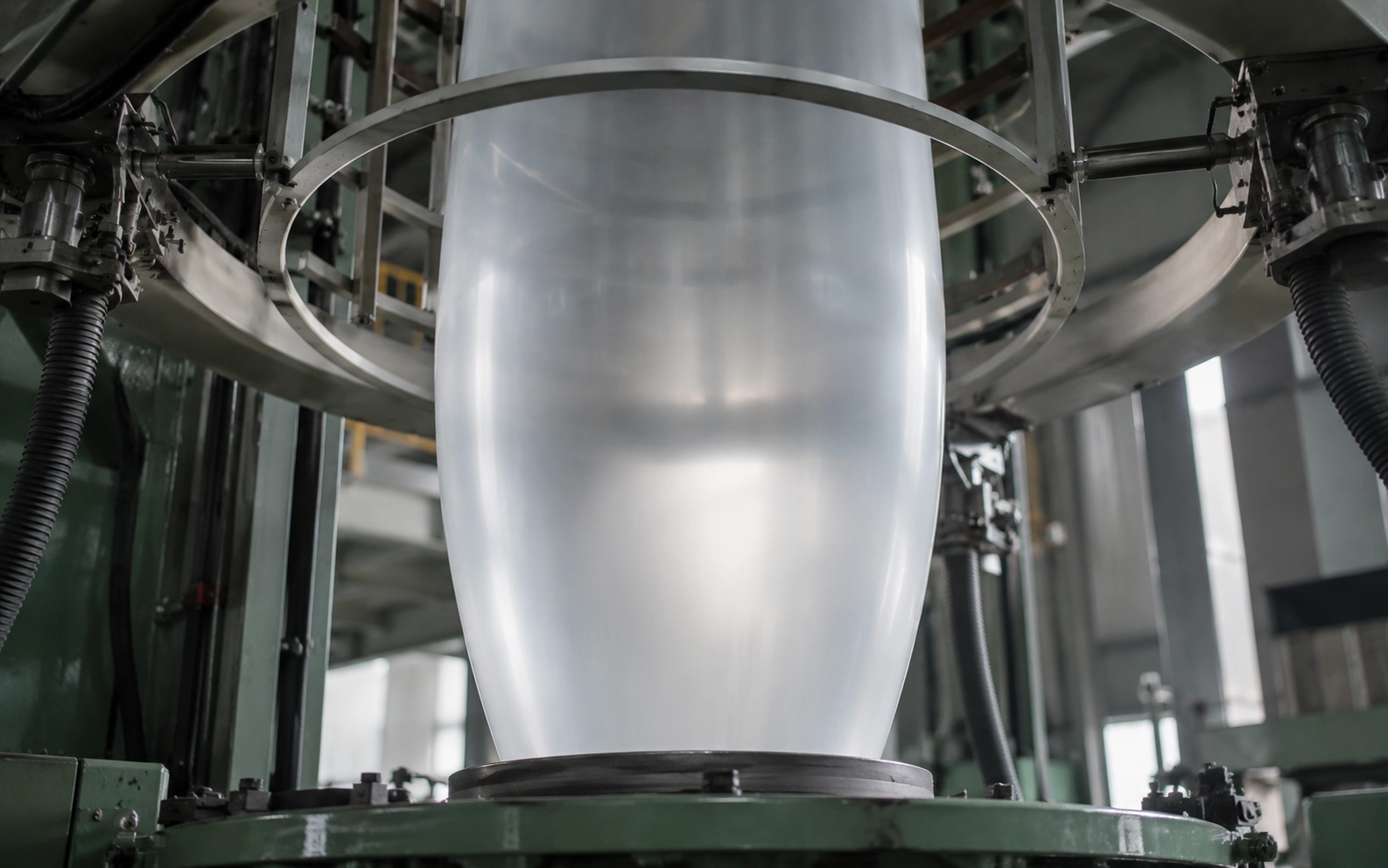
PE Film — The Sealant Layer Nobody Sees, and the Mono-Material Future
Polyethylene is the invisible inner ply of almost every flexible food pouch on a supermarket shelf — the layer that actually does the heat-sealing while BOPP or PET gets the print credit. It's also the foundation of the recyclable mono-material packaging movement, which is rewriting the spec sheet for the next decade.

PET Film — Polyester for Heat-Resistant and Premium Food Packaging
PET (polyester) is the second-most-common outer film in flexible food packaging — stiffer, stronger, and far more heat-resistant than BOPP, but 40–60% more expensive per square meter. It's what makes retort pouches survive 121°C sterilization and what gives premium pouches their crisp, structured silhouette.
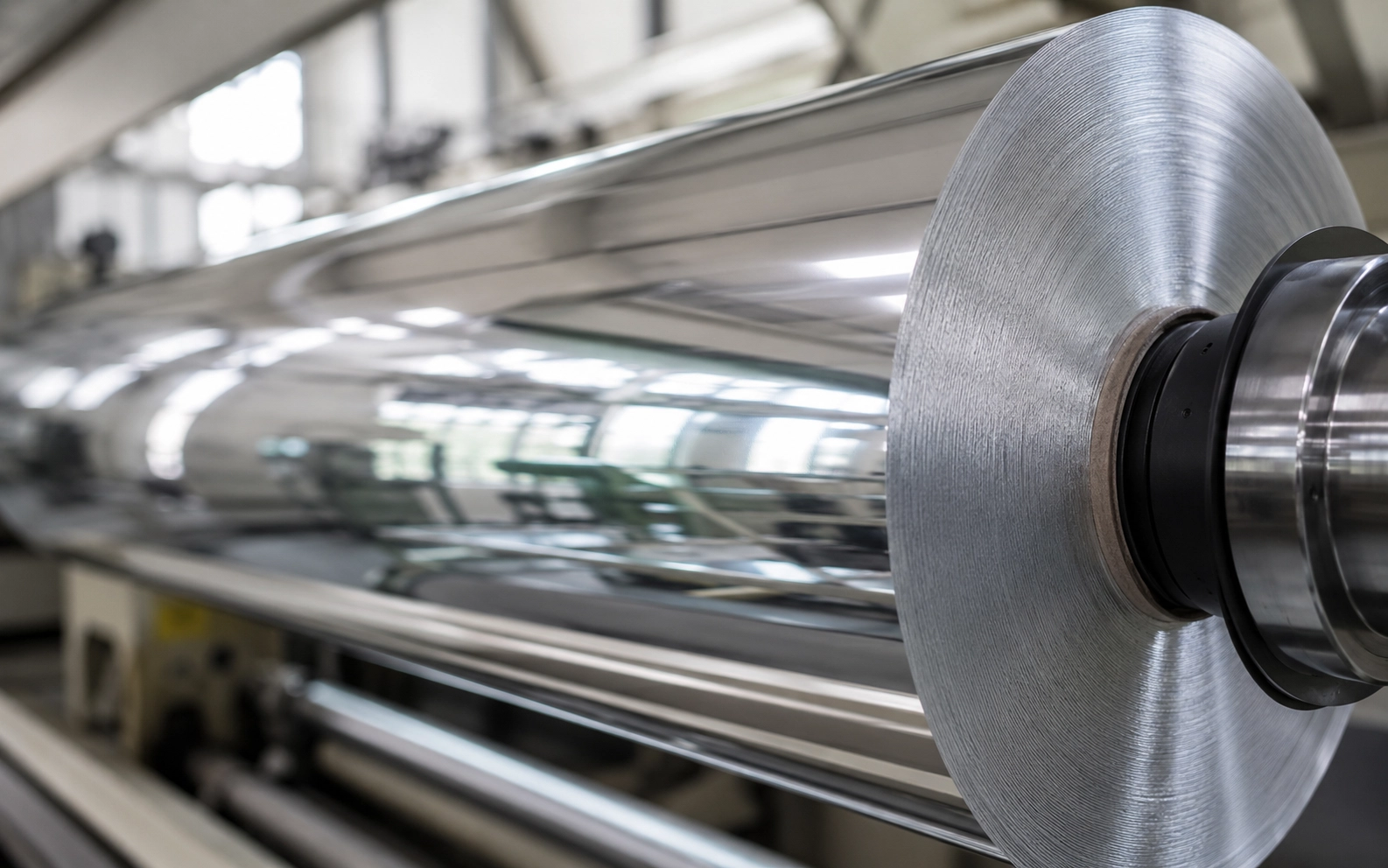
Metallized PET (VMPET) — The 40-Nanometer Aluminum Layer That Replaces Foil
VMPET is PET film with a vacuum-deposited aluminum coating roughly 30–40 nanometers thick — about 1/200th the thickness of food-grade aluminum foil. It costs 40–50% less per square meter than foil laminate while delivering 90% of the barrier performance. For most flexible food packaging that doesn't need true zero permeability, it's the right answer.
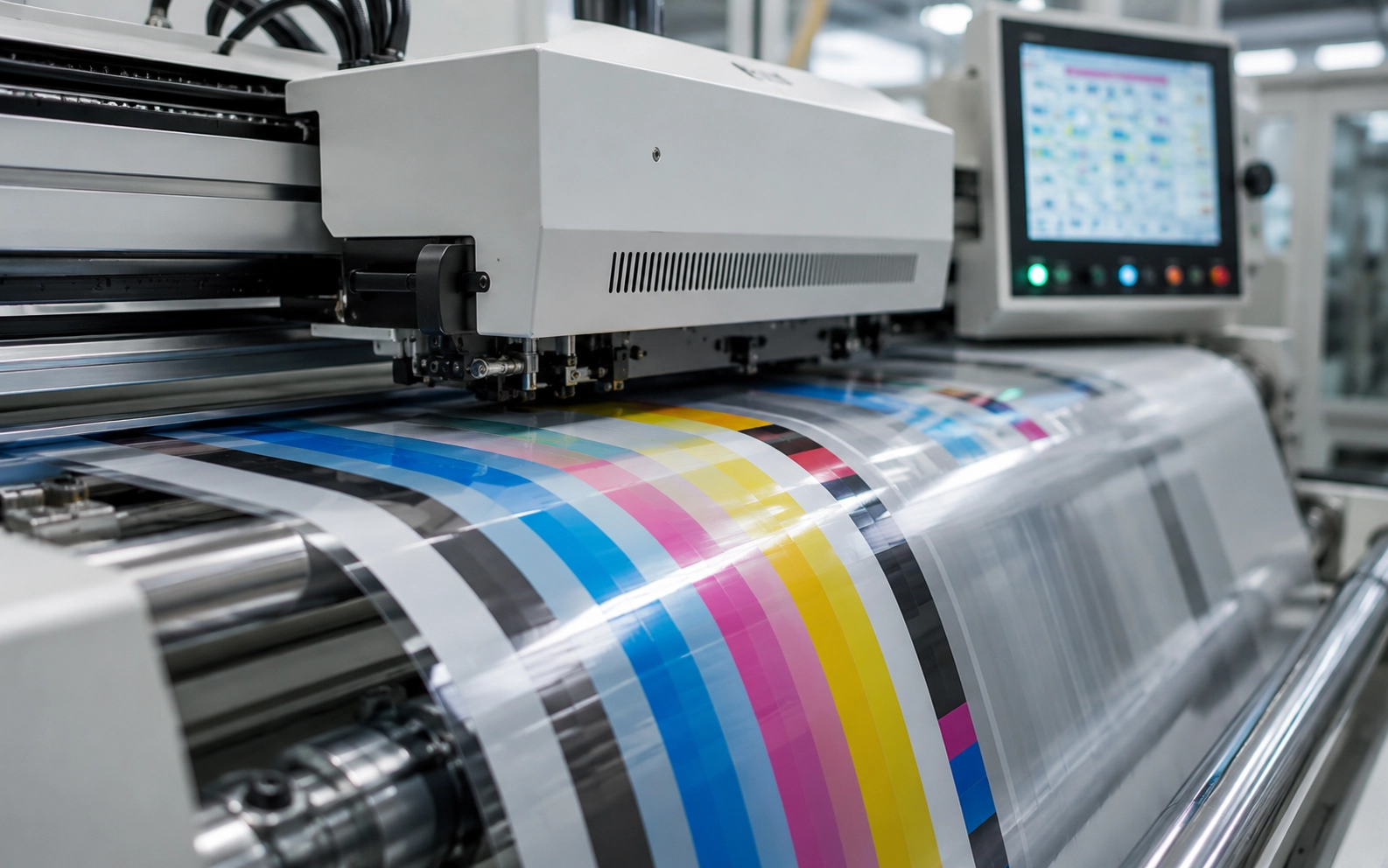
Digital Printing — When Zero Plate Cost Beats Per-Unit Economics
Digital printing is the only food packaging print process with zero plate-tooling cost. That single fact unlocks 250-unit pilot runs, variant artwork on the same job, and seasonal SKUs that flexo and gravure can't economically serve. Per-unit cost is higher — but for the right applications, it's transformative.
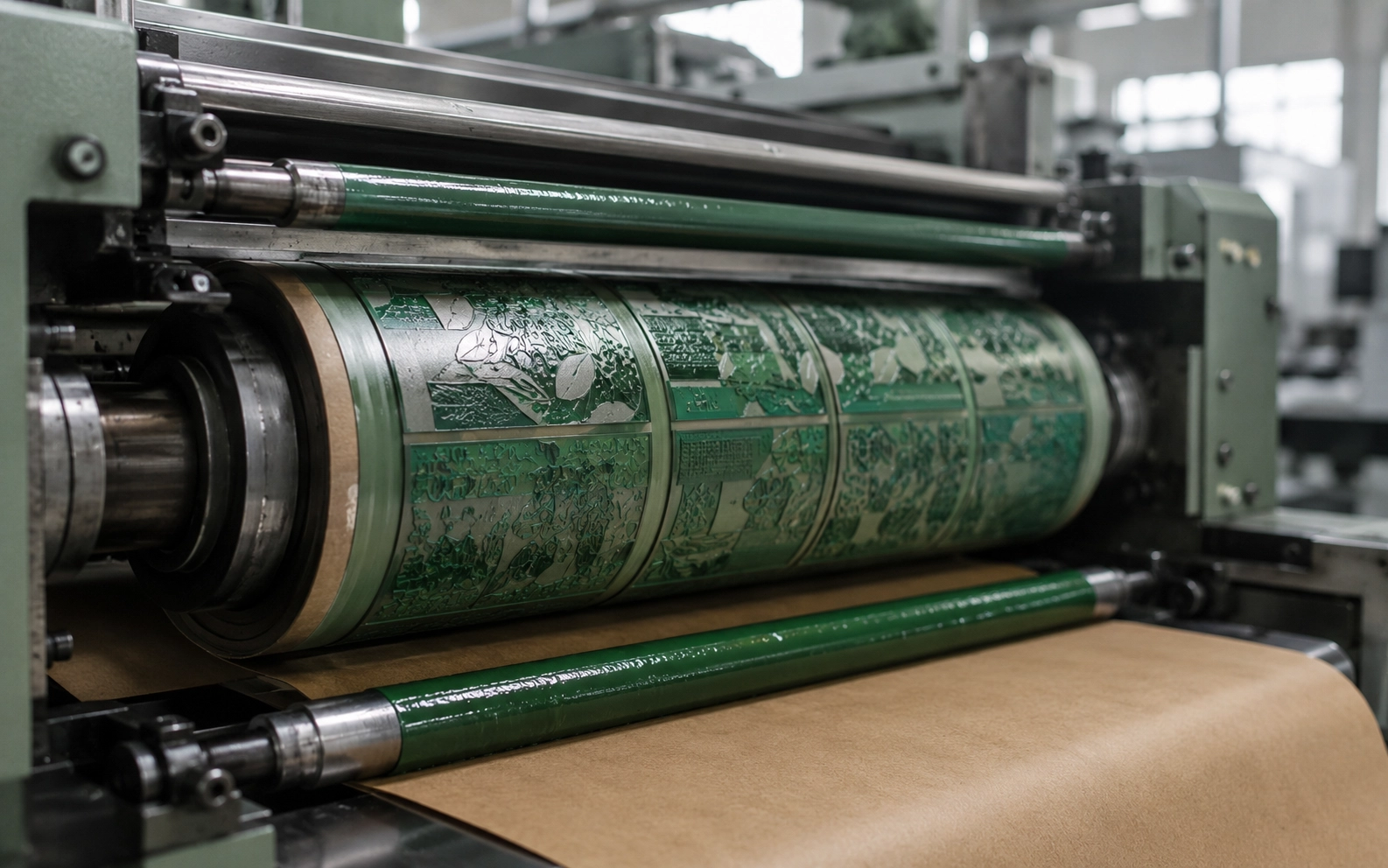
Flexographic Printing — The Mid-Volume Workhorse for Kraft and Recyclable Stocks
Flexo has caught up with gravure dramatically in the past decade — modern central-impression flexo presses now run 8-color art at near-gravure quality on the right substrate, at a third the plate-tooling cost. For kraft paper, recyclable mono-PE laminates, and mid-volume runs from 1,000 to 20,000 units, flexo is often the right answer.

Hot Foil Stamping and Emboss / Deboss — Where Premium Packaging Earns Its Price
Hot foil stamping and embossing aren't printing — they're separate finishing passes that add tactile dimension to packaging. They're also the most reliable signal of premium tier on a retail shelf. Both add roughly $0.04–$0.18 per unit to finished cost; both transform the perceived price of the product inside.
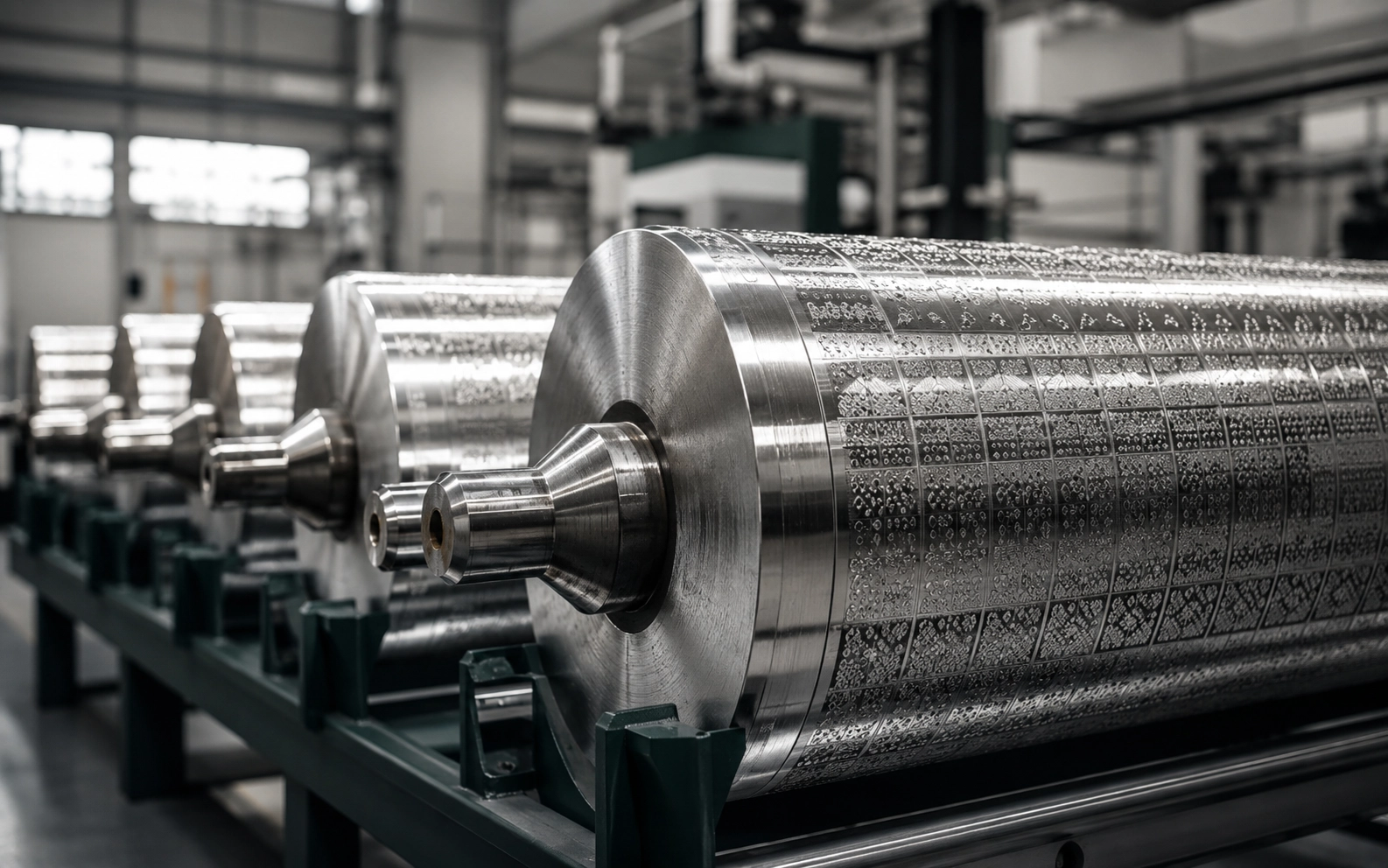
Rotogravure Printing — When It's the Right Tool, and When It Isn't
Rotogravure is the highest-quality industrial print process for flexible food packaging — capable of 10-color art, metallic Pantones, and photographic-grade reproduction at runs above 5,000 units. But the plate-tooling cost makes it the wrong tool for a 250-unit pilot. Here's how to know when to spec it.
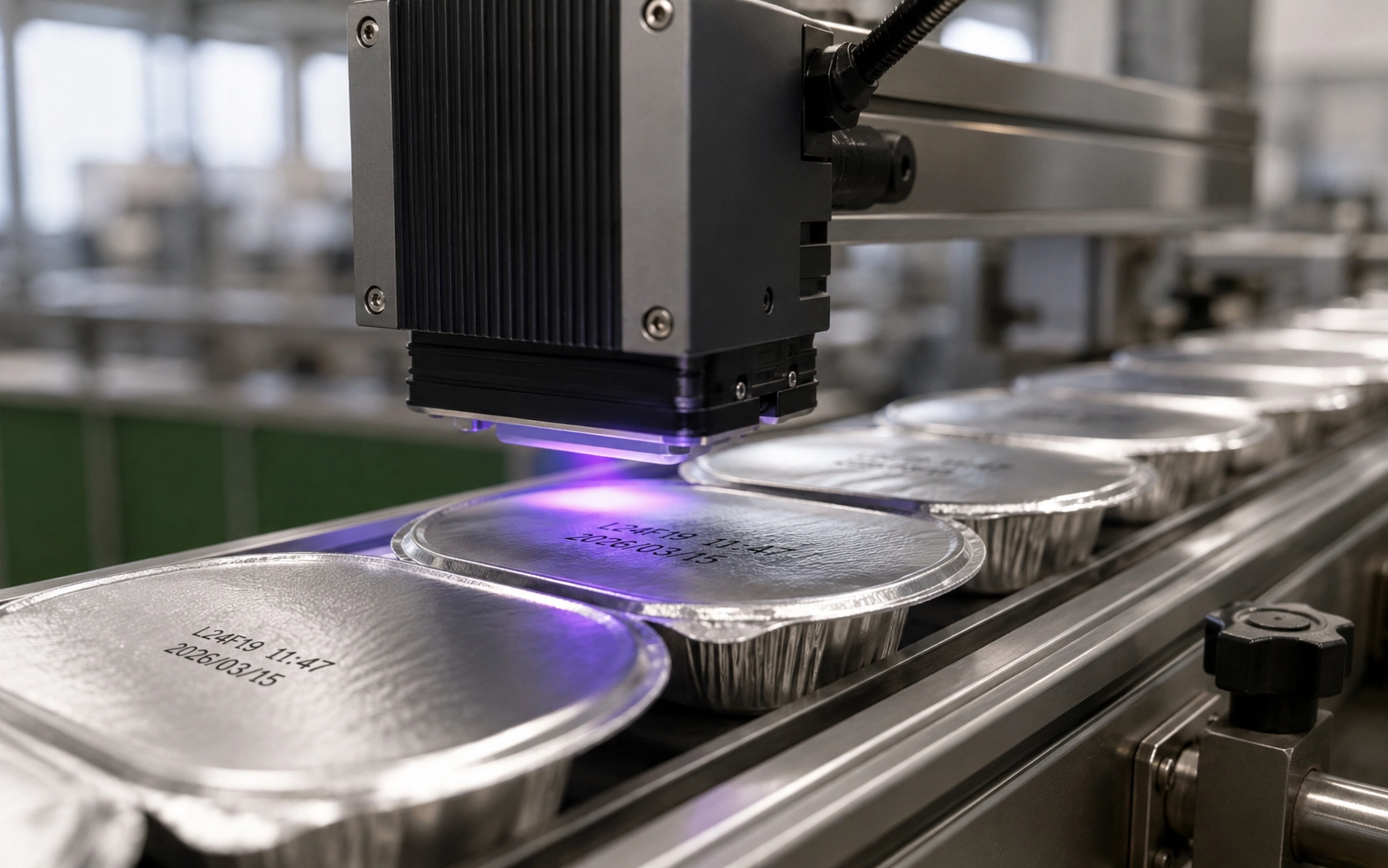
UV Inkjet Printing — Variable Data, Serialization, and Where Inkjet Beats Indigo
UV-cured inkjet is the second digital print technology in food packaging — faster than HP Indigo, lower per-unit cost, with one feature neither Indigo nor flexo can match: true variable data at production speed. Every single package can carry a unique barcode, serial number, or batch identifier with zero per-unit setup cost.
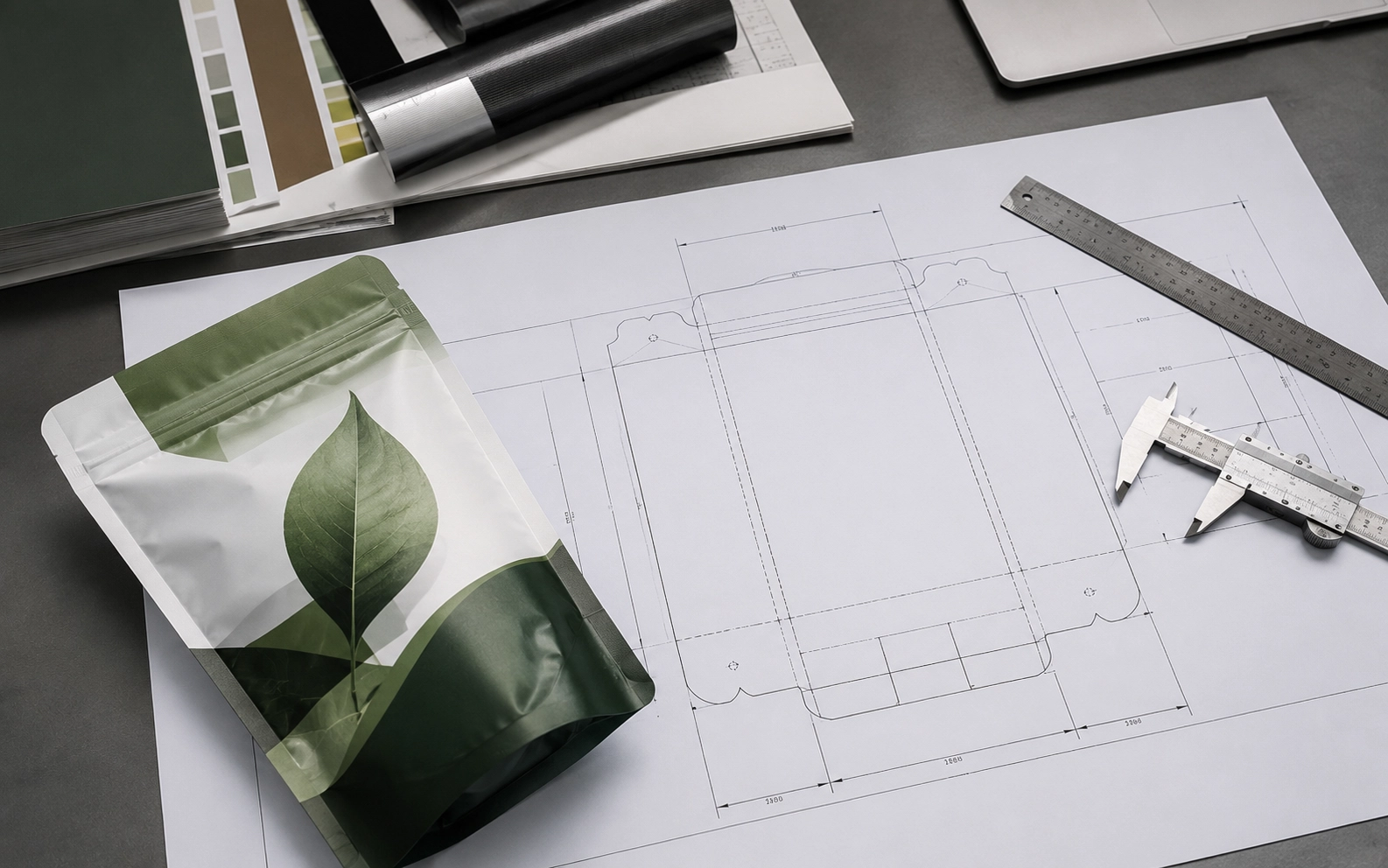
Designing Food Packaging That Ships Well — A Pre-Press and Production-Ready Guide
Most food brand designers learn their craft on screens — the print-production realities of bleed, dieline, color separation, FBA spec, and substrate behavior only show up at the converter's pre-press desk, often as expensive surprises. This guide collects the pre-press fundamentals every food packaging designer should know before the first production run.

Food Packaging Regulations — A Buyer's Guide to FDA, EU 10/2011, LFGB & GB 4806
Most food packaging buyers know they need 'food-safe' packaging. Far fewer know what that actually means in regulatory terms, what documents to demand from suppliers, or what testing a stack should pass before going into production. This guide walks through the four major regulatory regimes you'll encounter and the practical compliance steps a buyer should run on every project.

Shelf-Life Math — Calculating What Your Packaging Will Actually Deliver
Most shelf-life claims in food packaging brochures are vendor estimates. The real number depends on a small handful of physical parameters — barrier values, headspace volume, product oxygen sensitivity, storage conditions — that you can calculate in advance. This guide walks through the actual math, the typical mistakes, and when you need to test instead of estimate.
NO ARTICLES IN THIS CATEGORY YET.